
Mónica
Aragón
We are often told that Customer Relationship Management (CRM) systems are one of the most critical enterprise systems. Organizations invest heavily in CRMs with the hope of enhancing customer satisfaction, improving service levels, and boosting loyalty. But after eager implementation, many companies find themselves underwhelmed by the outcomes. The truth is that a CRM, no matter how robust, modern, or reliable, cannot reach its full potential if it is not deeply integrated with supply chain analytics.

CRMs are indeed critical to optimizing customer experience, but they’re only one piece of the puzzle. The real power comes when CRM is enhanced by robust data analytics, particularly within the context of Supply Chain Management (SCM). Studies have found that Business Intelligence systems play a mediating role between Supply Chain Operations and CRM effectiveness, meaning that data insights from Supply Chain Management are what truly elevate a CRM system from a customer database to an actionable, and sometimes even predictive, tool.
Yet, many supply chain professionals treat CRMs as isolated platforms. This approach not only limits their potential but also obscures operational issues that could be addressed early, through data integration combined with operational knowledge. That’s where supply chain analytics comes in.
CRMs are rich in customer data: buying patterns, preferences, returns, and even complaints. But this data is often siloed away from the operational heartbeat of the supply chain. So, while patterns in customer experience may be recognized, they are not easily tied back to the source issue. For example, the sales teams might see a streak of increased order cancellations but will not have visibility into late deliveries or stockouts that originated deep in the supply network. Sales can work to placate the displeased customers but won’t be able to resolve the true root cause or even be aware that it exists.
Integrating CRM with supply chain analytics allows for this critical visibility. Samuel Holloway’s 2024 research found that 85% of companies integrating CRM with supply chain analytics cited a “unified view of customer data” as the primary motivator. This integration improves customer understanding, exposes root causes, and highlights opportunities in customer behavior and within the CRM system and Supply Chain Operations.
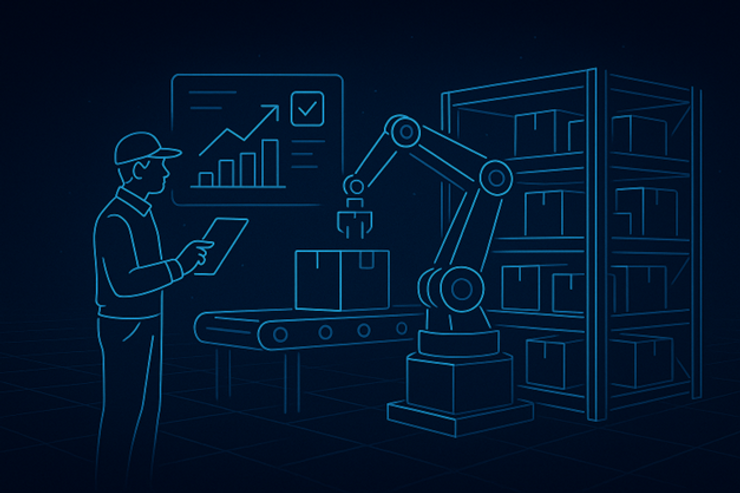
There are two major mechanisms by which integrating CRM data and SCM analytics can highlight concerns and opportunities for improvement and drive enhanced business performance.
This dual capability—tactical troubleshooting and strategic system refinement—is a game-changer for supply chain leaders. It enables faster, more informed responses to customer-facing problems and operational inefficiencies, while also revealing hidden patterns and systemic issues that might otherwise go unnoticed. By surfacing both symptoms and root causes, leaders can shift from reactive firefighting to proactive, data-driven decision-making.
Bringing CRM and supply chain data together isn’t just about visibility—it’s about impact. When this integrated data is translated into meaningful insights, it enables tangible business actions: better planning, smarter prioritization, and more responsive operations. The real value lies in how these insights guide decisions that improve performance across the board—from logistics to customer satisfaction.
The importance of actionable visualization for business operations cannot be overstated. Tracking the KPIs that matter :(on-time delivery, return rates, supplier lead times, etc) are critical when it comes to improving logistics performance. Dashboards leveraging integrated CRM and SCM data enable managers to ask additional customer-centric questions that can determine company strategy and market approach. For example:
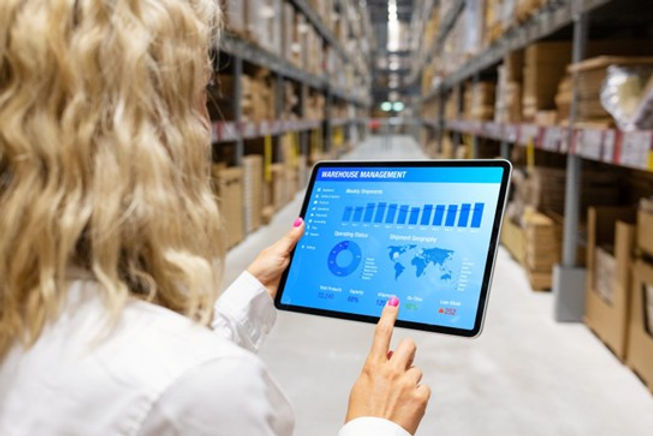
Advanced analytics capabilities such as data modeling and AI allow supply chain professionals to not only track CRM data but to also predict outcomes. This means we can often see disruptions on the horizon before the effects are felt by the business or downstream customers. The more advanced the notice of a coming disruption, the more a business can abate any negative impacts. For example:
These predictive insights are especially relevant in the post-COVID era, where agility and data-driven responsiveness are paramount.
One of the most underappreciated values of CRM-SCM integration is strategic coherence. Supply chain managers often focus on cost and efficiency, while sales and marketing teams focus on customer value. When both sides see the same data—framed through modern analytics tools—the organization becomes aligned in serving the customer while optimizing operations.
Despite the benefits, the road to integration is not without obstacles:
Companies that succeed in overcoming these challenges, however, report significant ROI, including improved customer satisfaction and increased innovation and business opportunities.
CRMs are no longer just tools for sales teams. When embedded into the wider analytics strategy of the supply chain, they unlock a world of insight—and ultimately, impact.
So, the question is not whether you should invest in CRM. You probably already have. The real question is: are you using it to its full potential?
Supply chain analytics gives you the lens to spot issues, the tools to fix them, and the foresight to prevent them. More importantly, it connects your customer strategy with your operational backbone—delivering on the promise of truly customer-centric supply chain management.
With leadership commitment and proper change management, companies can overcome challenges to achieve synergy—breaking silos and aligning CRM and SCM efforts for lasting performance gains.
In the modern supply chain, data isn't just an asset—it’s your competitive edge. And CRM, enhanced by analytics, is where it all comes together.
If you’re a supply chain manager or director still treating CRM as a separate silo, now is the time to rethink your approach. Start small: identify one high-impact CRM pain point—such as churn or service complaints—and build a dashboard that ties it to supply chain data. Use that insight to rally cross-functional collaboration.
We specialize in helping organizations unlock the full potential of their data. Whether you're just starting to explore analytics or looking to scale your data strategy, our team is here to support you with the tools, insights, and expertise you need to drive tangible results.
Let’s start the conversation—reach out to learn how we can work together to build a smarter, more connected supply chain.